Our Services

Frenectomy in London

Read our information below to learn more about what a frenectomy is, what happens during this procedure, and what aftercare usually looks like.

What is a frenectomy?

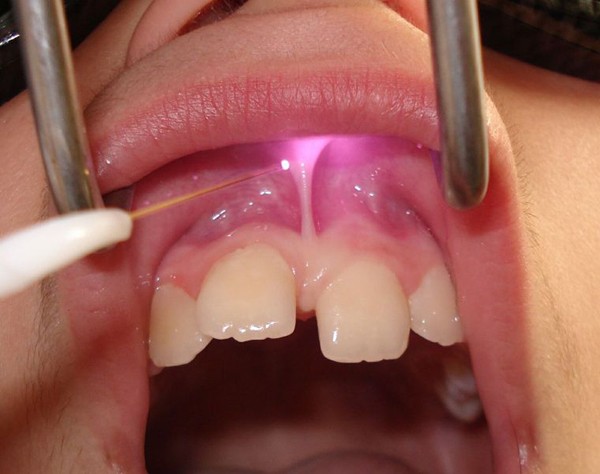
A frenectomy is a minor surgical procedure that involves the removal or modification of a frenulum, a small band of tissue that connects two structures in the body. In the context of oral health, frenectomy is often performed on the lingual frenulum (under the tongue) or the labial frenulum (connecting the lips to the gums). You can see this little band of tissue on the image on the right. You can probably feel your frenulum with your tongue while you’re reading this!

image of a child who is having a frenectomy

Types of frenectomy

Lingual Frenectomy

lingual frenectomy is a type of frenectomy that treats tongue-tie, a condition where the small band of tissue connecting the underside of the tongue to the floor of the mouth (the lingual frenum) is too short or tight. This restriction can affect speech, feeding, swallowing, and even oral hygiene.

During a lingual frenectomy, our oral surgeon carefully releases or removes the restrictive frenum to allow the tongue to move freely. The procedure is quick, performed under local anaesthetic, and recovery is typically fast. By improving tongue mobility, a lingual frenectomy can help enhance speech clarity, eating comfort, and overall oral function.
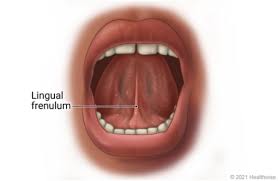
Labelled image of labial frenulum

Labial Frenectomy

A labial frenectomy is a form of frenectomy that removes or repositions the frenum, the small fold of tissue connecting the inside of the upper or lower lip to the gum. In some cases, this frenum is too thick, tight, or positioned too low, which can cause a gap between the front teeth, pull on the gumline leading to recession, or interfere with orthodontic treatment.

During a labial frenectomy, Dr James gently releases the frenum to reduce tension and improve gum and tooth alignment. The procedure is carried out under local anaesthetic, and is usually completed in less than 30 minutes. A labial frenectomy can support better oral health, improve the appearance of your smile, and help orthodontic results last longer.
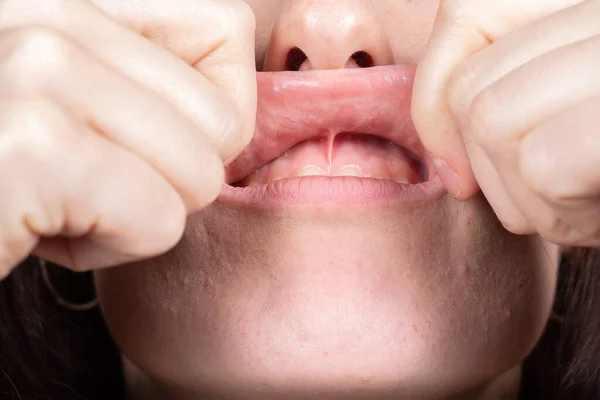
picture of a person showing the frenulum between their gums and their upper lips before oral surgery

When might a frenectomy be recommended?


Speech and articulation problems*

A restrictive frenulum can impact speech development and articulation in both children and adults.

Breastfeeding Challenges*

Infants with tongue tie may experience difficulty latching onto the breast, leading to breastfeeding issues for both the baby and mother.

Orthodontic Concerns

A Frenectomy may be recommended as part of orthodontic treatment plans to address issues such as diastemas (gaps between teeth) caused by tight labial frenulums.

Tightness

A tight labial frenulum can contribute to gum recession, leading to periodontal issues. A frenectomy can alleviate this tightness, helping gum issues.

*We only provide frenectomies for adult patients in our clinic - frenectomies in infants require a hospital environment for safety*

What is involved in a frenectomy procedure?

1. Preparation

Before your frenectomy, our oral surgeon, Dr Anthony James, will carry out a detailed assessment to confirm whether the procedure is the right option for you. This includes a full medical and dental history, an examination of the frenum, and, if necessary, photographs or scans to guide treatment planning. We'll make sure you are comfortable in the dental chair, and that you are happy to proceed, then Dr James will deliver some local anaesthetic to the area of the frenulum. This ensures that the frenectomy is as comfortable as possible for you.

2. Surgical Technique

A frenectomy can be performed using conventional scalpel surgery, laser surgery, or electrocautery. All three techniques effectively release or remove the frenum, improving oral function and comfort. Scalpel surgery is a traditional approach with predictable results, while laser and electrocautery methods can reduce bleeding and speed up healing. The choice of technique depends on the patient’s specific needs, the type of frenum being treated, and the oral surgeon’s clinical recommendation.

3. Post-Operative Care

Recovery after a frenectomy is usually quick, with most patients returning to normal activities within a day or two. Mild swelling or tenderness can occur for the first few days and is easily managed with over-the-counter pain relief. Following the surgeon’s aftercare instructions, such as eating a soft diet, keeping the mouth clean, and avoiding strenuous activity, helps ensure smooth healing. Most wounds heal fully within one to two weeks. We will explain everything fully to you before and after your frenectomy procedure.

Benefits of a frenectomy

One of the main benefits of a lingual frenectomy, is improved tongue mobility. By releasing the restrictive frenum, the tongue can move more freely, making it easier to speak clearly, eat comfortably, and maintain proper oral hygiene. This increased range of motion can also help reduce tension in the mouth and jaw, improving overall oral function and comfort.

For infants, a frenectomy * can significantly improve breastfeeding. Releasing a restrictive lingual frenum (tongue-tie) allows the baby to latch more effectively, feed for longer periods, and gain weight more easily. This can also reduce discomfort for the mother, helping to prevent nipple pain, cracking, and mastitis, and supporting a more positive and sustainable breastfeeding experience.

* We do not offer this treatment for children here in our Harley Street clinic, as it requires to be done in a hospital environment.

A frenectomy can play an important role in orthodontic treatment. In cases where a tight labial frenum is causing a gap between the front teeth or pulling on the gumline, releasing this tissue helps stabilise tooth position after braces or aligners. By reducing tension and preventing relapse, a frenectomy can enhance the long-term success of orthodontic results and support a healthier, more balanced bite.

Frequently Asked Questions

How can I book an appointment for a frenectomy?

Although a frenectomy procedure can be a little uncomfortable to think about, we'll make sure you're numbed up before we start the procedure, ensuring you feel as little pain as possible!

We are based on the fantastic medical disctrict of London, Harley Street. Our full address is 46 Harley Street, London W1G 9PT, UK.

Patient booking portal

Use this portal to book an appointment with Dr James at The Harley Street Practice or message our admin team via our contact form!

Dental referral portal

Dr James is taking dental referrals for specialist services including dental implants, IV sedation and advanced oral surgery. Click below to access our secure referral portal! 

You can book in to see dr james

Use this form to contact our admin team to arrange an appointment with Dr James.

Dr James is taking appointments for dental implant services at The Harley Street Implant Centre. Send us a message now and we will be in touch with you shortly.

Our location

46 Harley Street, London W1G 9PT, UK

Opening Hours

Mon-Fri: 9am-6pm
Sat: 10am-6pm

Contact

Phone: 02045 535441
Email: [email protected]

If you're in the 'just exploring options' stage of your journey, please do not complete the rest of this form.